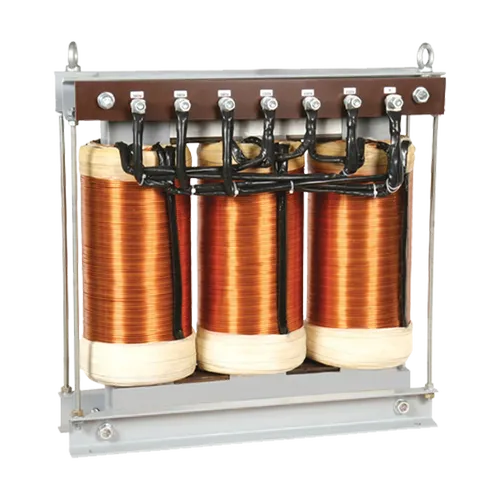
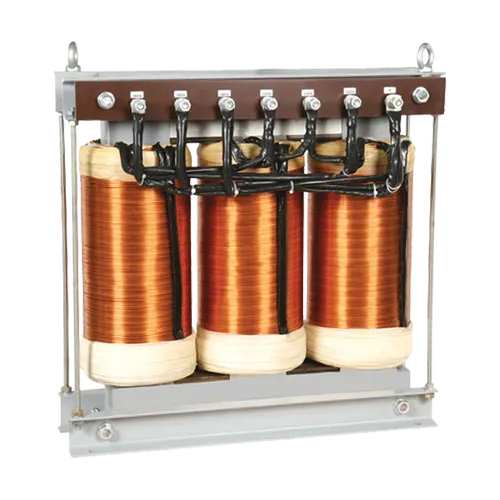
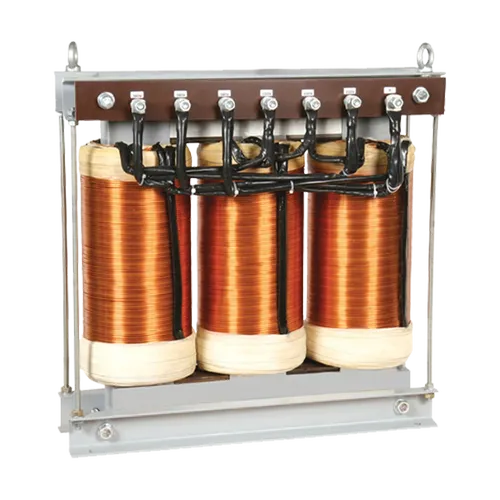
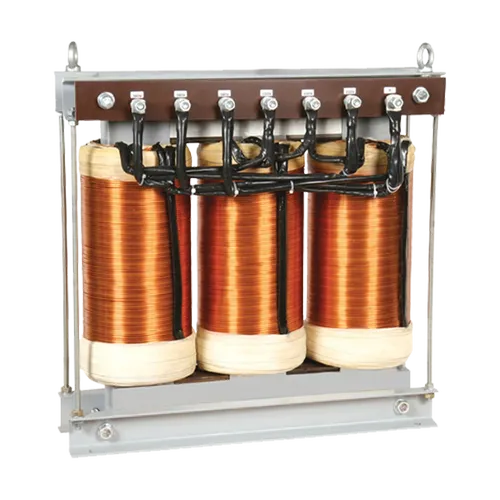
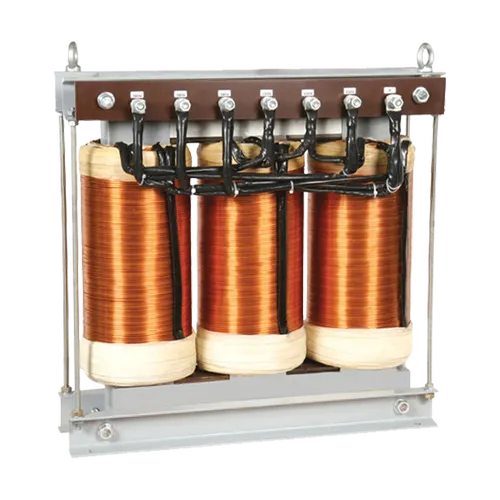
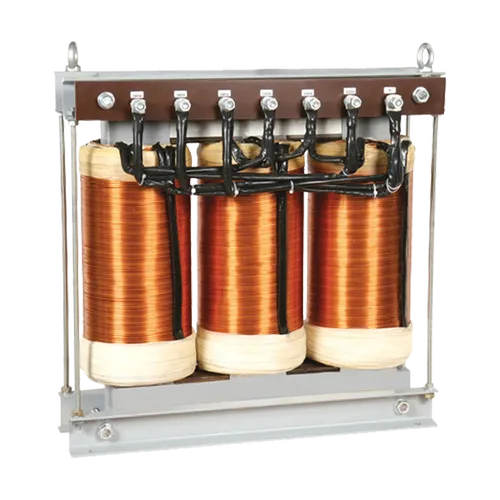
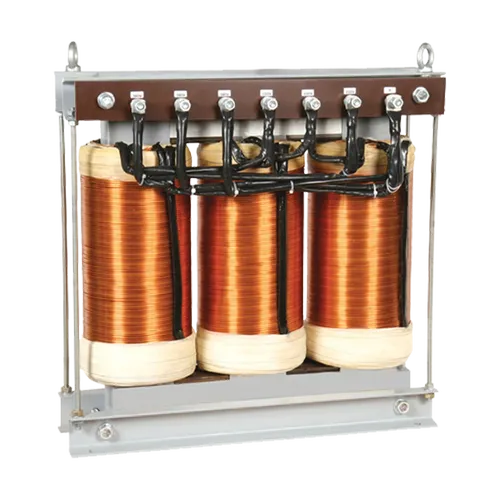
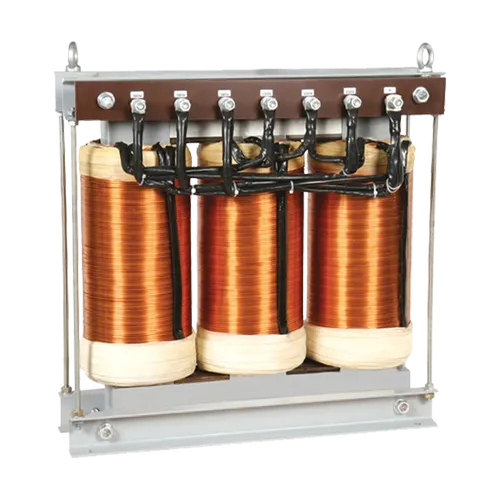
The transformer comes into play in larger solar systems, especially solar plants and medium-voltage connections. It matches voltage levels between the inverter and the utility grid, ensuring a correct and safe connection of the generation. Knowing when a transformer is needed helps size commercial and industrial projects.
When a transformer is needed
Small residential systems connected at low voltage usually do not need a transformer. It becomes necessary when the plant is connected at medium voltage, when the connection point is far away or when the inverter voltage has to be raised to match the grid. That is the case of many commercial, industrial and shared-generation plants.
How to choose a transformer
The choice depends on the electrical design and should follow the responsible engineer's guidance. The main points are:
- Power (kVA): compatible with the total power of the plant.
- Input and output voltages: matching the inverter and the utility grid.
- Type: dry-type or oil-immersed, depending on the environment and local requirements.
- Utility standards: each utility has its own connection requirements.
The transformer works alongside the solar inverter in large projects, completing the power side of the system.