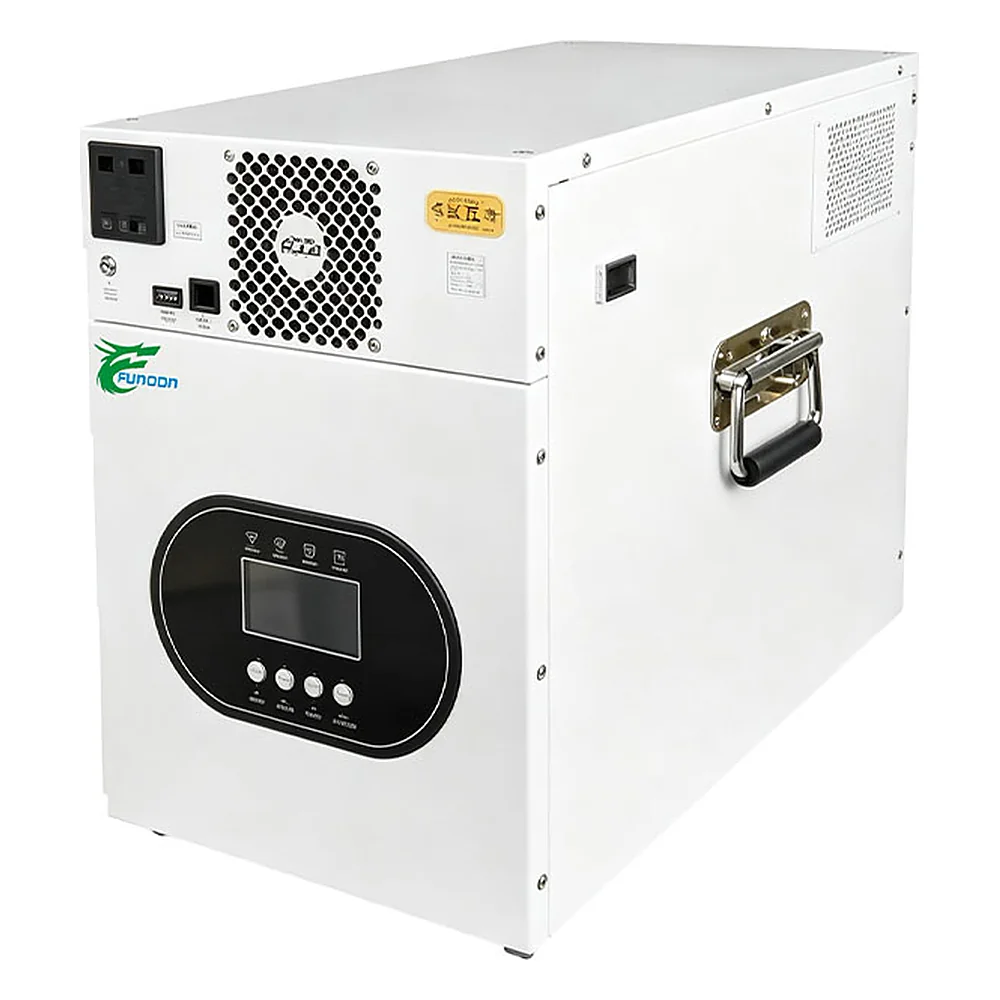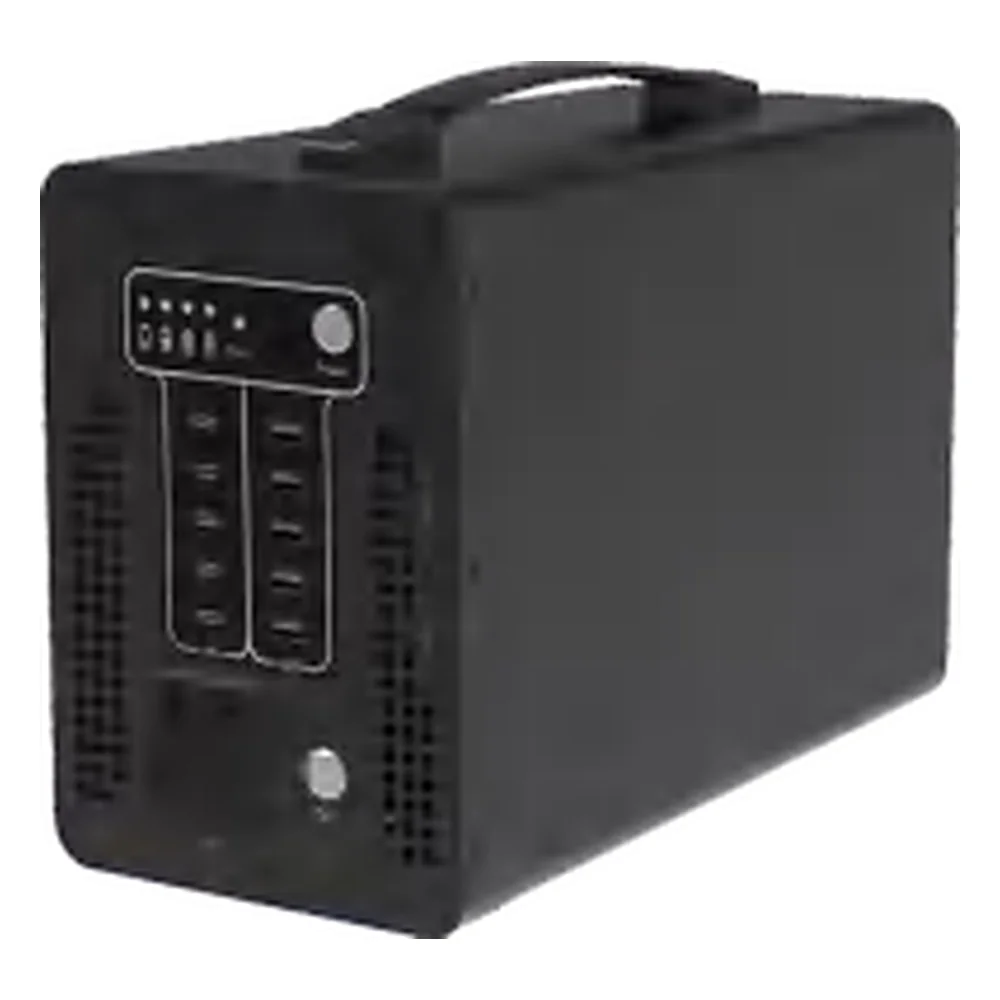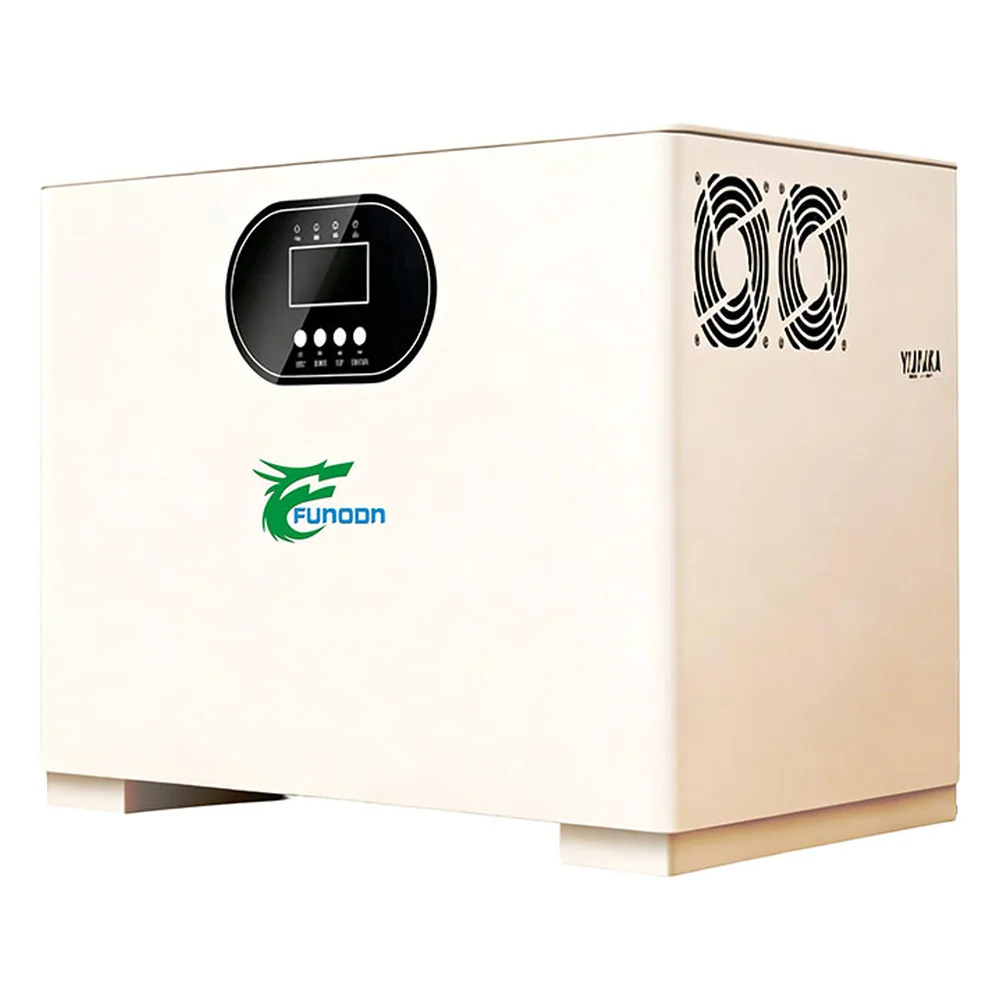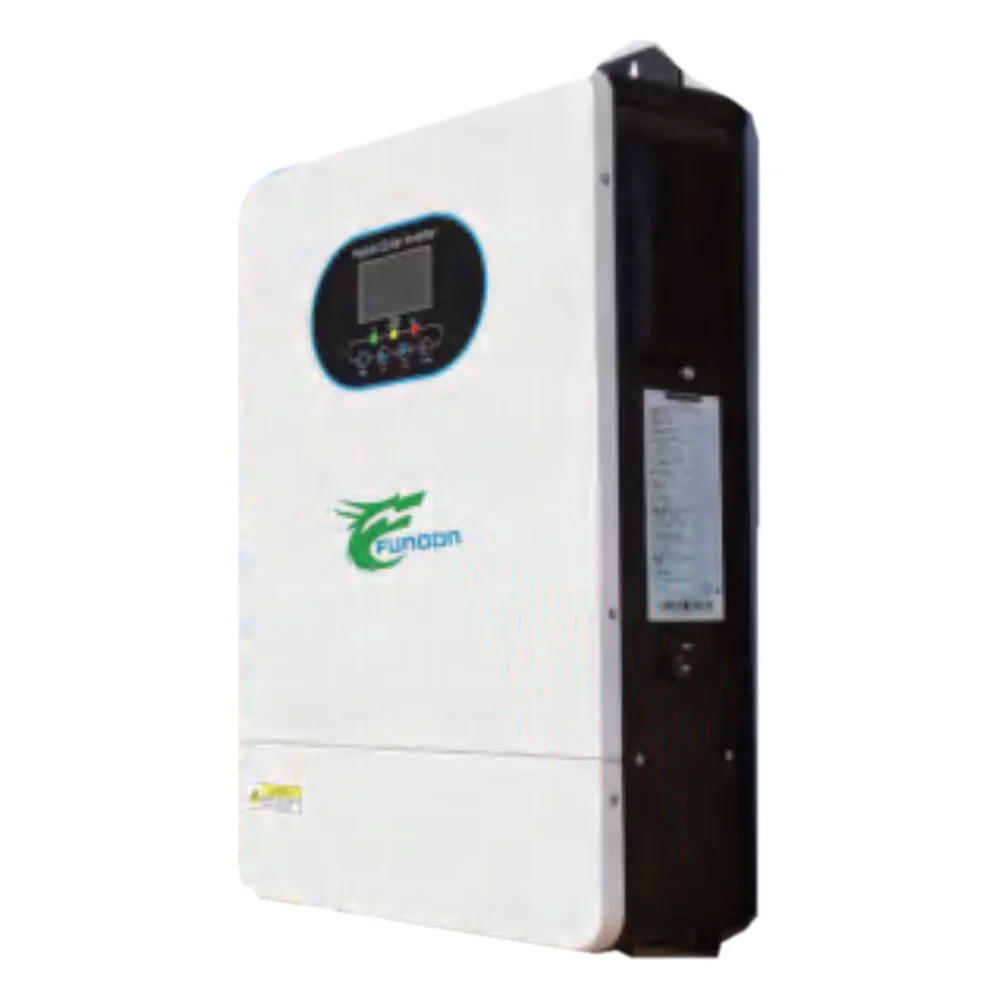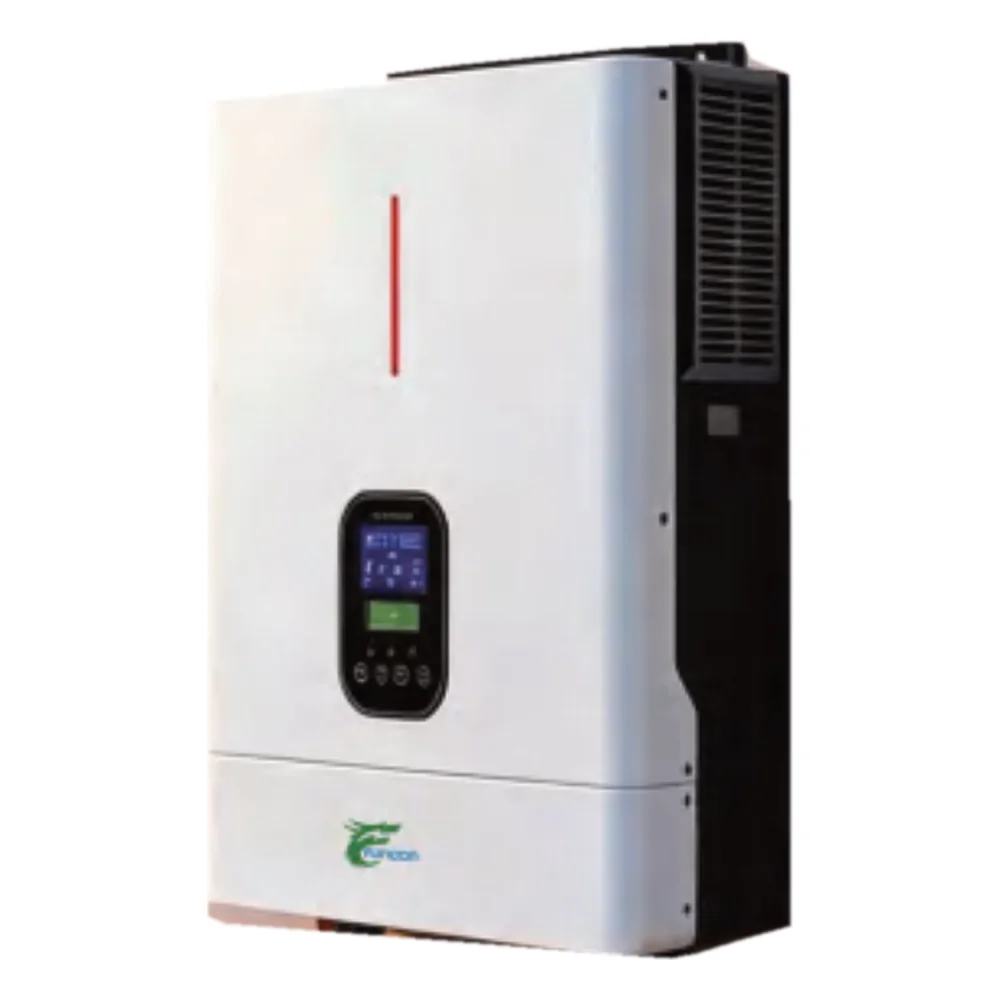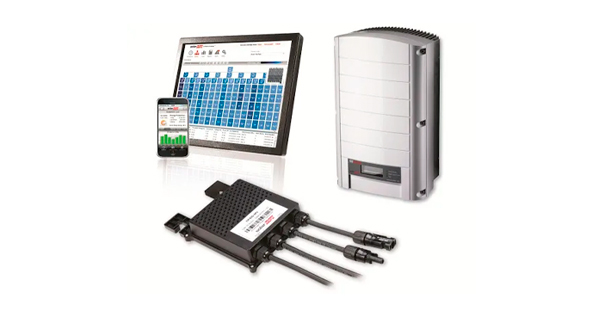
The solar inverter is the brain of the photovoltaic system. It converts the direct current (DC) produced by the panels into alternating current (AC), which powers the building and is exported to the grid. Besides converting energy, the inverter monitors generation, protects the system and optimizes production in real time. Choosing the right inverter is as important as choosing a good panel — efficiency, safety and lifetime of the whole installation depend on it.
What a solar inverter does
Panels generate DC, but appliances and the grid run on AC. The inverter performs that conversion with very high efficiency, usually above 97%. At the same time it runs maximum power point tracking (MPPT), adjusting voltage and current to get the most out of the modules at every moment, even as sunlight and temperature change. Modern inverters also offer app monitoring, surge protection and automatic disconnection when the grid fails.
Types of solar inverter
The type depends on what the system must do:
- Grid-tied (on-grid) inverter: the most common in homes and businesses. It works together with the utility grid and enables energy-credit compensation (net metering).
- Hybrid inverter: combines grid connection with battery storage. It keeps power on during outages and lets you use stored energy when the tariff is highest.
- Off-grid inverter: for sites without grid access. It works only with batteries and is common on farms and in remote areas.
- Microinverter: a small inverter on each panel (or pair of panels). It reduces the impact of shading, increases safety (no high-voltage DC on the roof) and makes expansion easy.
String inverter, microinverter or optimizer?
With a string inverter, several panels are wired in series to a single inverter — the most economical solution for unshaded, well-oriented roofs. A microinverter works panel by panel, ideal for partial shading, roofs with several pitches or when maximum safety is required. A power optimizer is a middle ground: it keeps a central inverter but adds an electronic module to each panel to reduce shading losses and allow panel-level monitoring.
How to choose the inverter power
The inverter power (kW) must match the total power of the panels. A good design works with a DC/AC ratio — oversizing — usually between 1.1 and 1.5: it is normal to install somewhat more panel power than the inverter's rated AC power, making better use of the equipment. Also check:
- Number of MPPTs: more MPPTs allow panels on roof faces with different orientations.
- Maximum input voltage and current: must be compatible with the panel strings.
- Grid type (single- or three-phase): must match the building's connection.
- Warranty and support: 5 to 12 years, with local service.
The inverter must match the chosen solar panels and, in storage systems, the solar battery. In off-grid systems, see also the charge controller.
Which solar inverter fits each need
| Type | Battery? | Best for |
|---|---|---|
| Grid-tied | No | Grid-connected homes and businesses |
| Hybrid | Yes (optional) | Backup and peak-tariff savings |
| Off-grid | Yes (required) | Sites without grid power |
| Microinverter | No | Shaded roofs or several orientations |