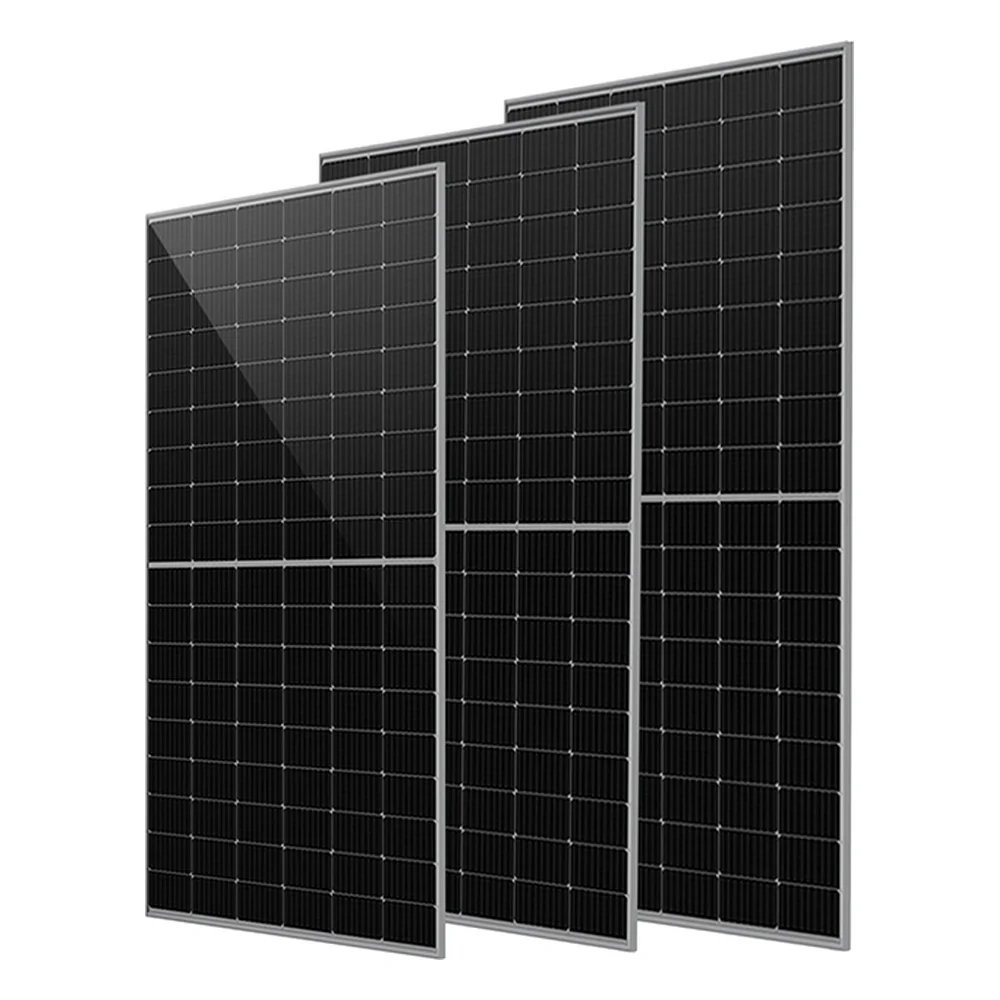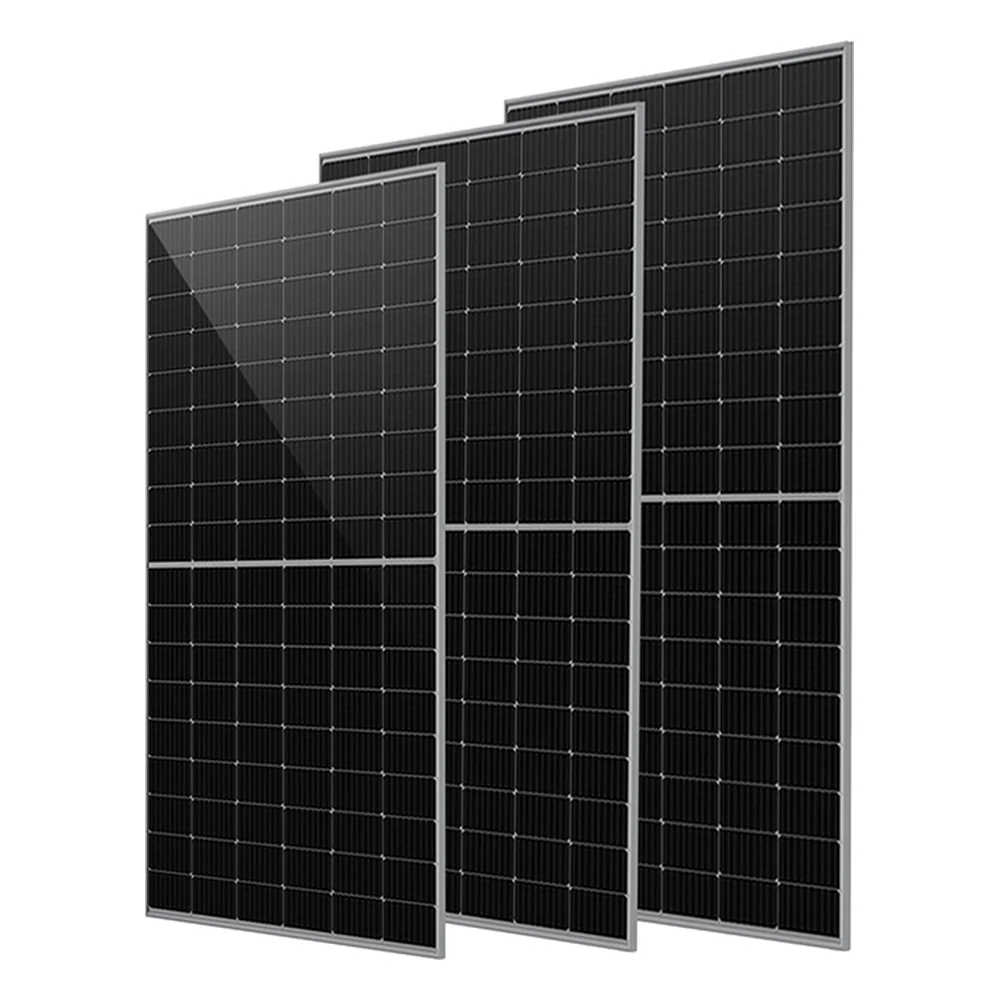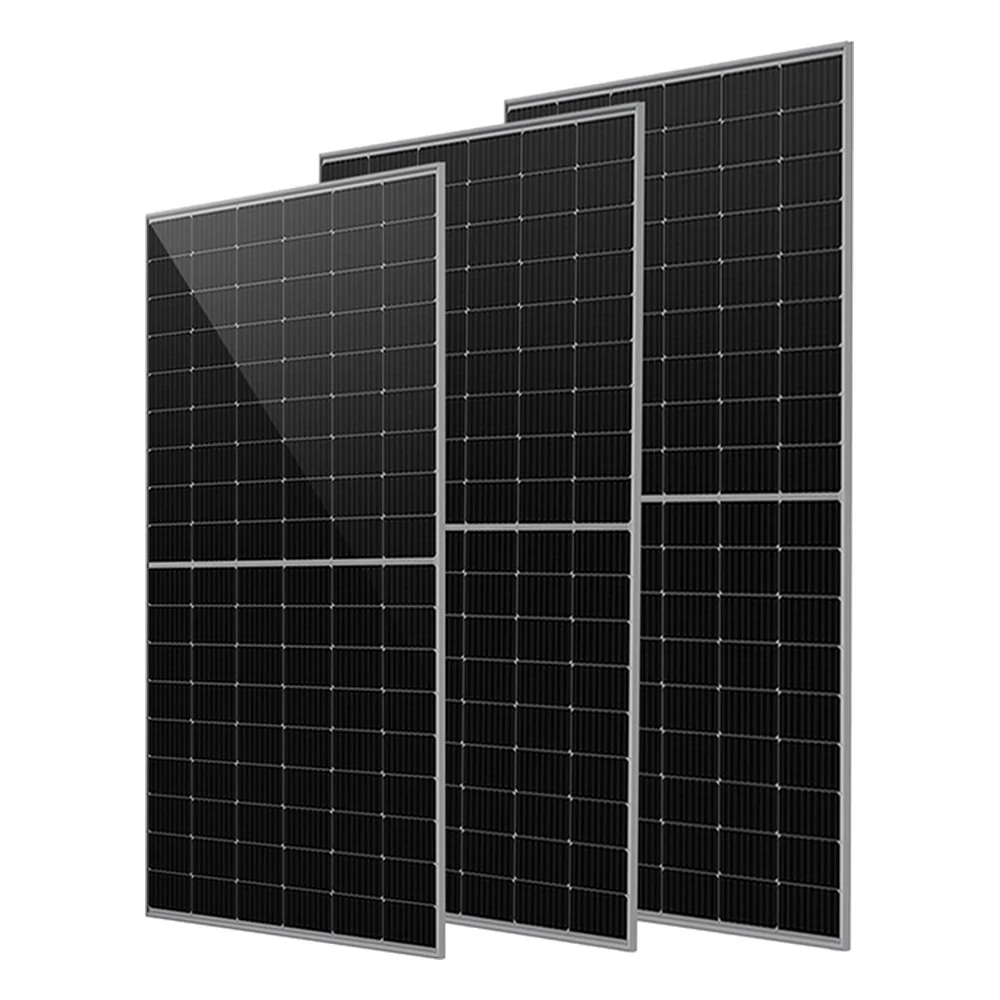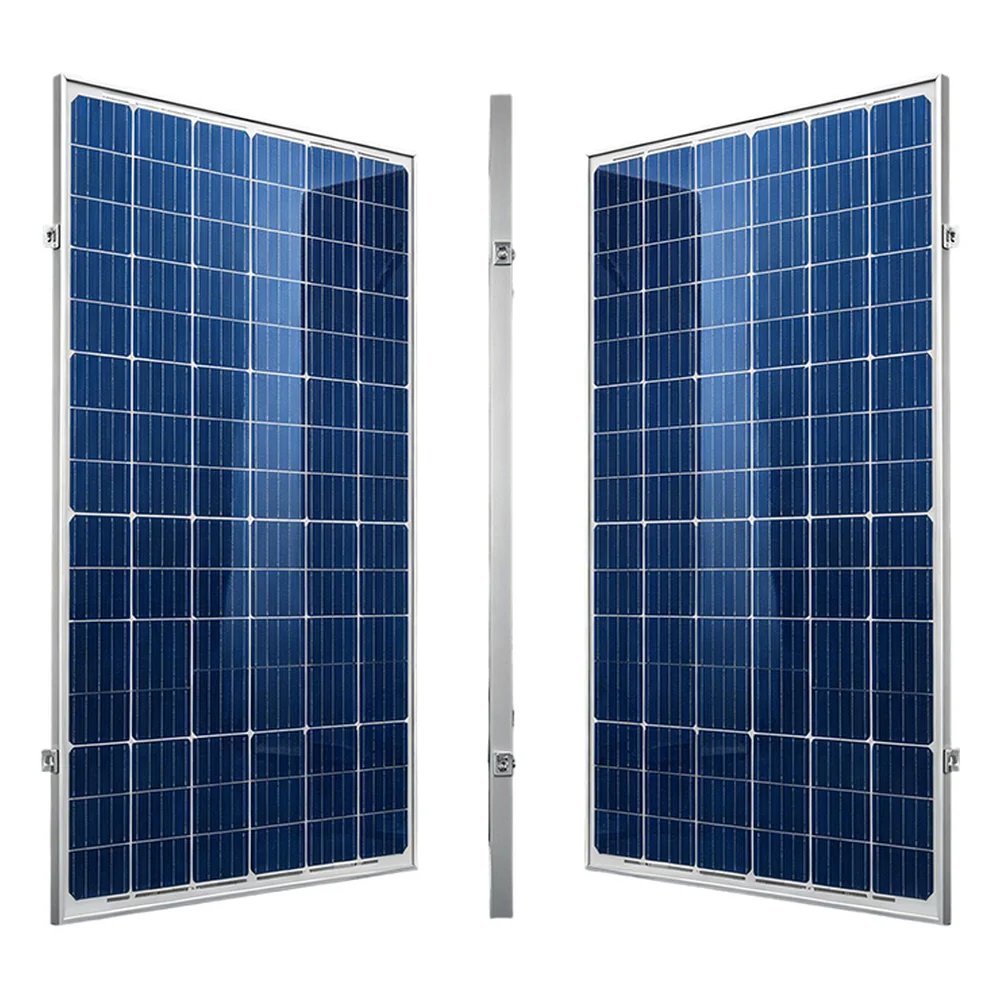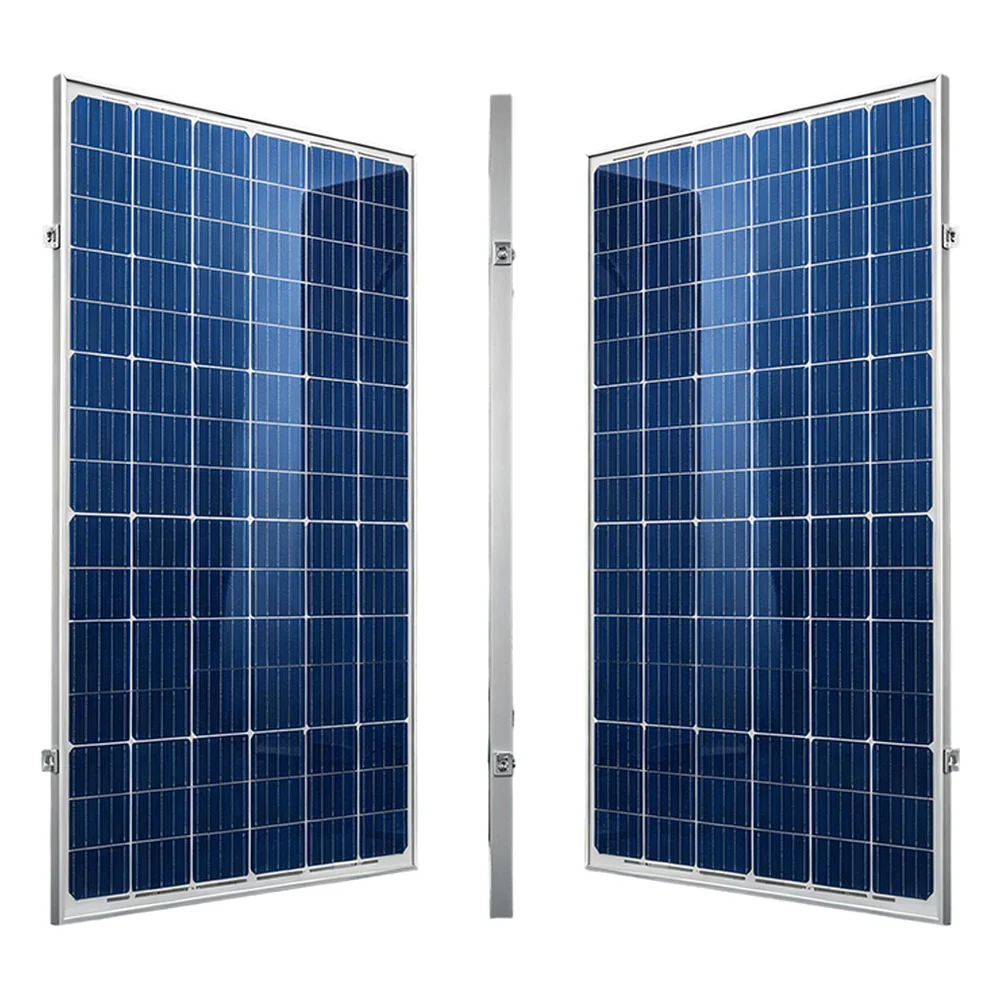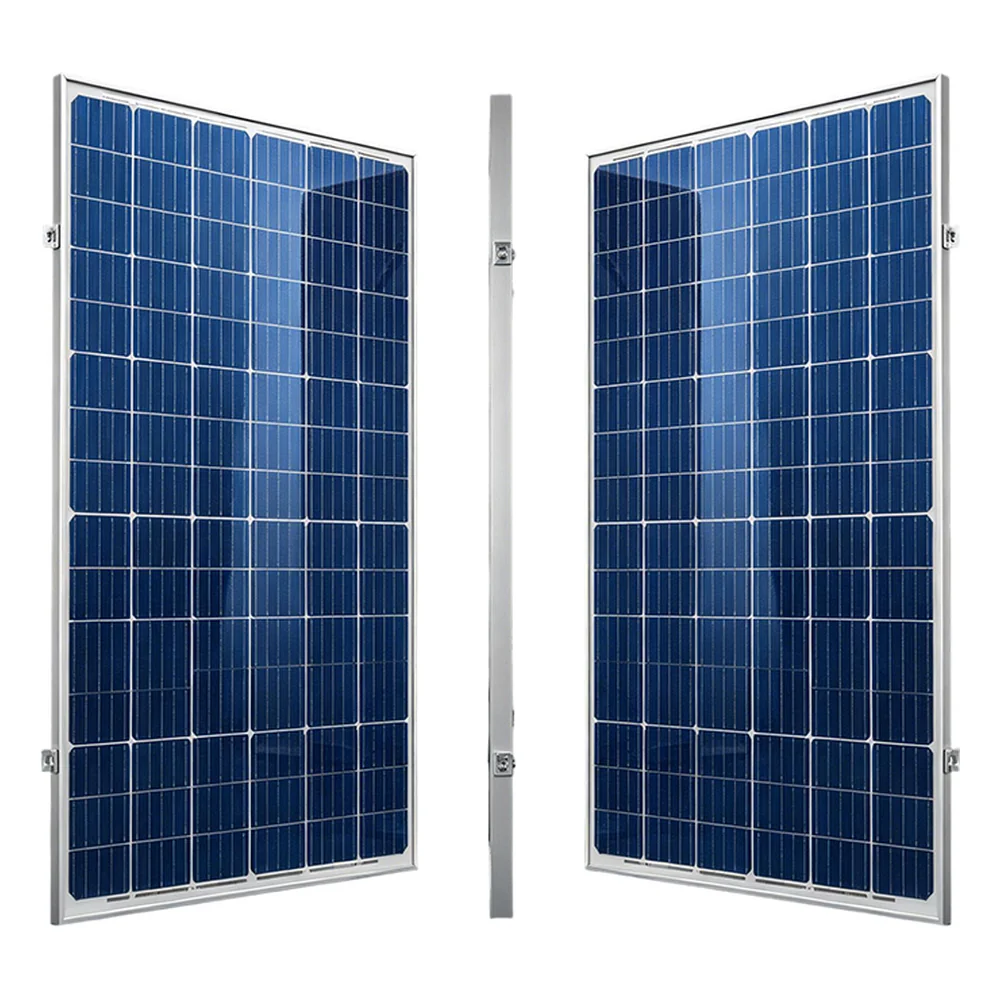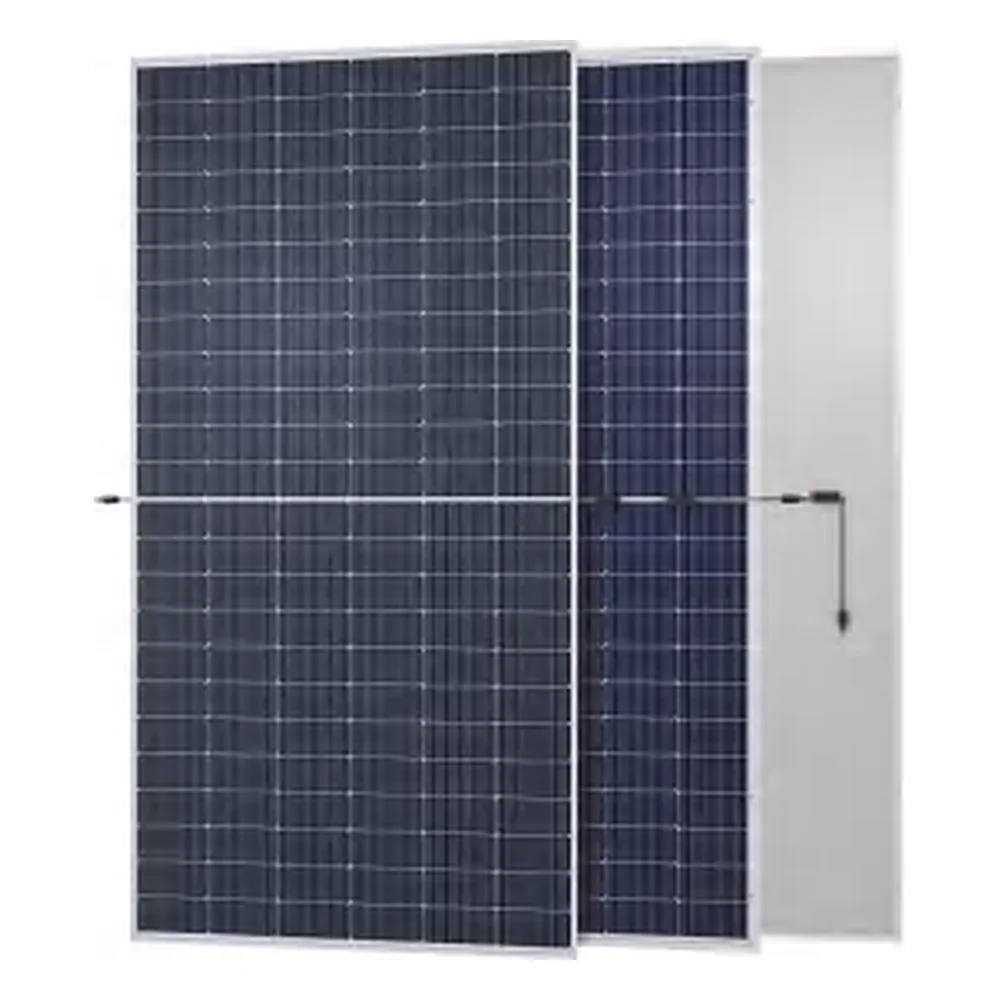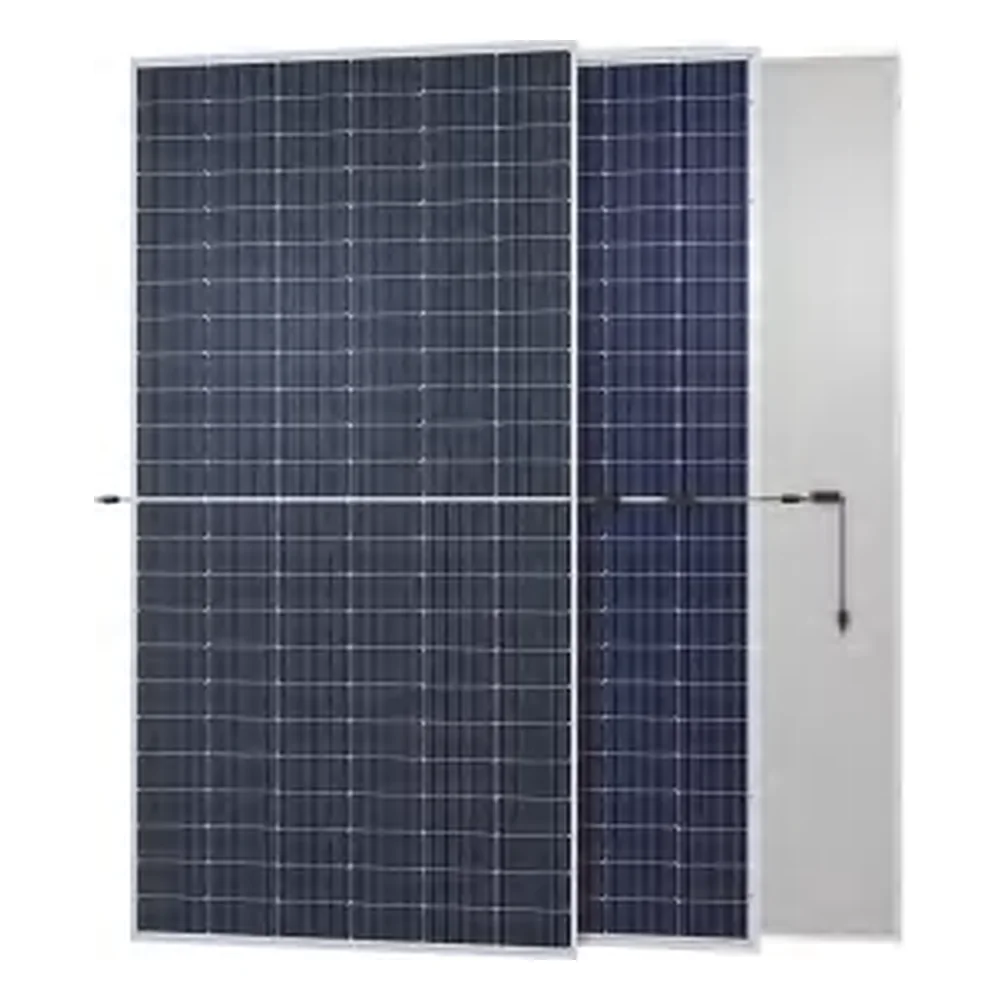
The solar panel — or photovoltaic module — is the heart of any solar power system. It converts sunlight into electricity for homes, businesses, industries and off-grid sites. Choosing the right module means balancing power, efficiency, durability, warranty and price. This guide explains how a solar panel works, which technologies are on the market, what to read in the datasheet and how to compare models.
What a solar panel is and how it works
A solar panel is made of dozens of silicon photovoltaic cells connected in series. When sunlight hits the cells, photons release electrons and generate direct current (DC). That current flows to the solar inverter, which converts it into alternating current (AC) — the same used by the grid and household appliances. The more irradiation reaches the panel and the higher its efficiency, the more energy it produces during the day.
Panel power is rated in watt-peak (Wp), the maximum output under standard test conditions. In 2026 the most common residential and commercial modules range from 550 Wp to 700 Wp, and utility-scale lines go beyond that. The power of the system is the sum of the power of all installed panels.
Types of solar panel
Each photovoltaic technology has its own strengths:
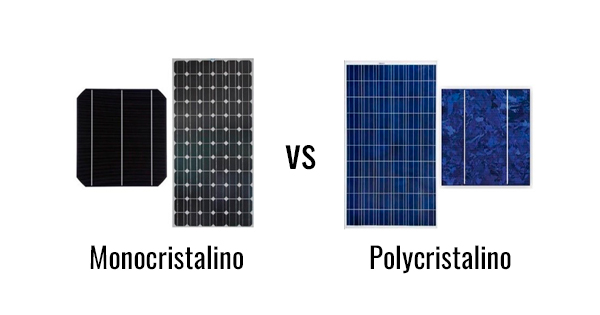
- Monocrystalline: high-purity silicon, the most efficient and the best-selling type today. Ideal when roof space is limited, because it generates more energy per square metre.
- Polycrystalline: cheaper, with slightly lower efficiency. It has lost ground to monocrystalline but still appears in cost-driven projects.
- Half-cell: cells cut in half to reduce resistive losses and improve performance under partial shading. Standard on most modern modules.
- Bifacial: captures light on both faces, using radiation reflected from the ground. Yields more on light-coloured roofs and ground-mounted plants.
- N-type (TOPCon and HJT): the latest generation, with higher efficiency, lower degradation over the years and better performance at high temperatures.
How to choose the right solar panel
Check these datasheet values:
- Efficiency: the share of light converted into electricity. Modules above 21% make better use of the roof.
- Power (Wp): defines how many panels fit on the roof and what total power the consumption requires.
- Temperature coefficient: how much power drops with heat. The closer to zero, the better for hot climates such as Brazil's.
- Warranty: good manufacturers offer 12 to 15 years of product warranty and 25 to 30 years of power warranty.
- Certification: in Brazil, modules for grid-connected systems need INMETRO conformity.
The panel never works alone: it needs a compatible solar inverter, a mounting structure suited to the roof and correctly sized solar cables.
How much does a solar panel cost
Price depends on power, technology and brand. The cost per watt-peak has fallen sharply in recent years, making solar affordable for most consumers. More important than the price of the module alone is the total cost of the system (panels, inverter, structure, cables and installation) and the payback time, which in Brazil usually ranges from 3 to 6 years. Always compare models with equivalent power and efficiency.
Quick comparison of solar panel technologies
| Technology | Efficiency | Best for |
|---|---|---|
| Monocrystalline | High (20–22%) | Roofs with limited space |
| Polycrystalline | Medium (15–17%) | Cost-driven projects |
| Bifacial | High + rear gain | Light-coloured ground and solar farms |
| N-type (TOPCon/HJT) | Very high (>22%) | Maximum performance and durability |