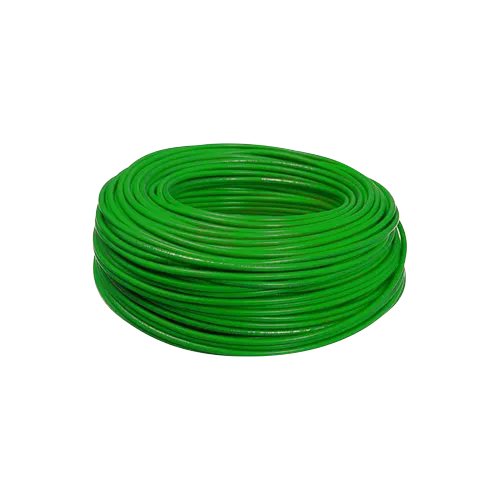
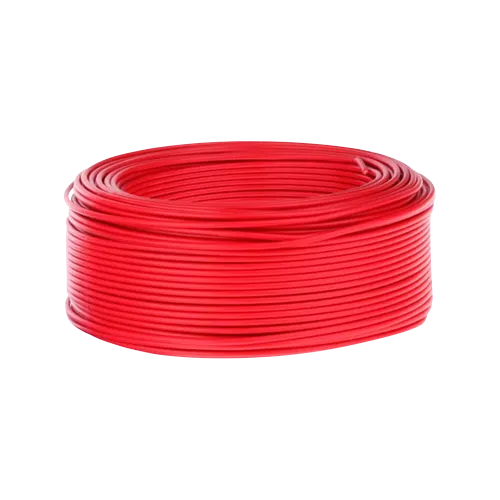
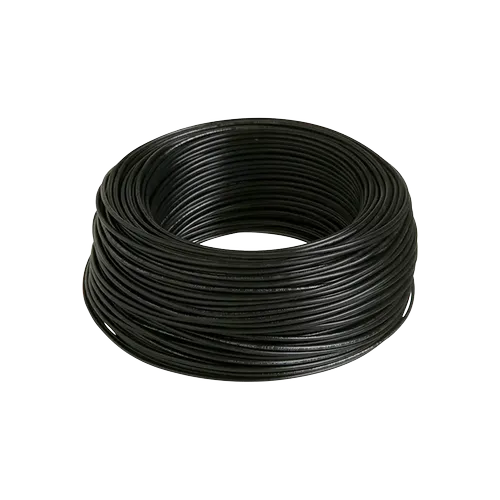
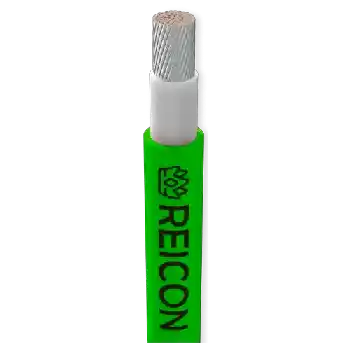
The solar cable is the special conductor that connects the panels to the inverter and the other components of a photovoltaic system. Unlike ordinary electrical cable, it is built to withstand ultraviolet radiation, heat, humidity and high-voltage direct current for more than 25 years. Using the right cable with the right cross-section is essential for safety and to avoid energy losses.
Why solar cable is different
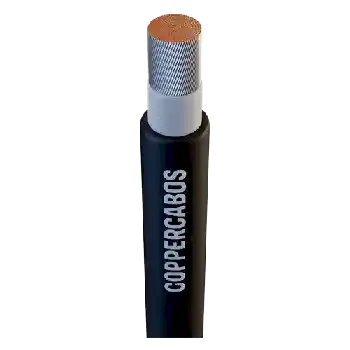
Photovoltaic cable has double insulation, resists UV and withstands high temperatures (usually 90 °C or more) and DC voltages up to 1.5 kV. Since it is exposed to the weather on the roof, it needs these properties so it does not dry out, crack or lose insulation over the years. Using ordinary cable on the DC side is a serious fire risk and can void warranties.
Cross-section and colours
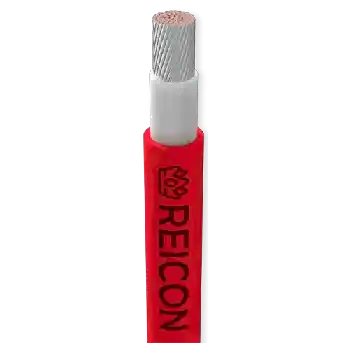
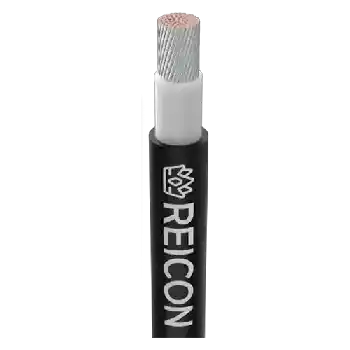
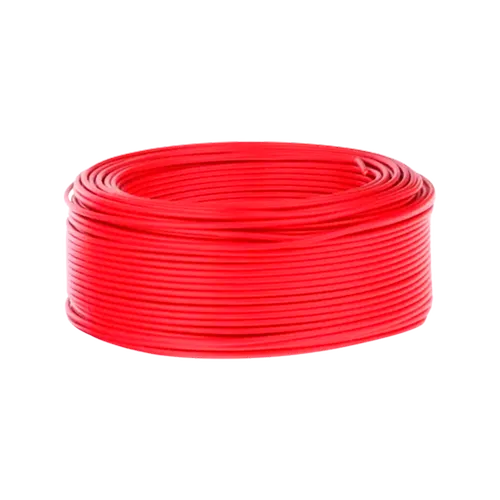
The cross-section (in mm²) defines how much current the cable carries safely with low loss. The most common in residential and commercial systems are 4 mm² and 6 mm², while larger projects use 10 mm² or more. The higher the current and the longer the run, the larger the cross-section must be to limit voltage drop. By convention, red is used for the positive pole and black for the negative pole, which makes identification and maintenance easier.
How to size the solar cable
Consider:
- System current: the cross-section must carry the string current with a safety margin.
- Distance: long runs need a larger cross-section to keep voltage drop low (ideally below 1–2%).
- Certification: choose cables certified for photovoltaic use, with UV-resistant insulation.
- Compatible connectors: use MC4 connectors rated for the cable's cross-section.
The cable connects the solar panels to the inverter, passing through the protective string box.