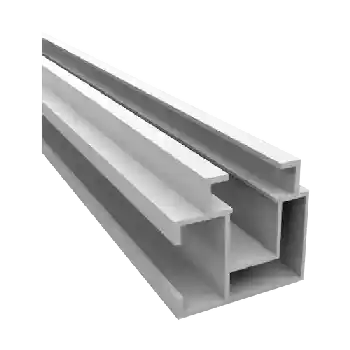
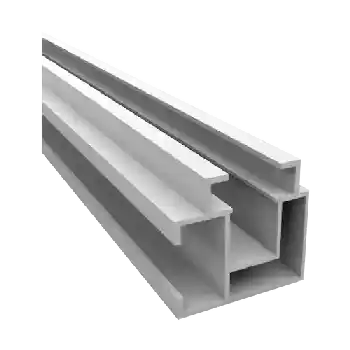
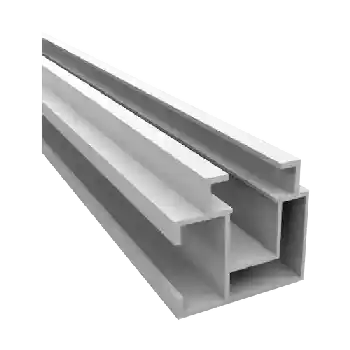
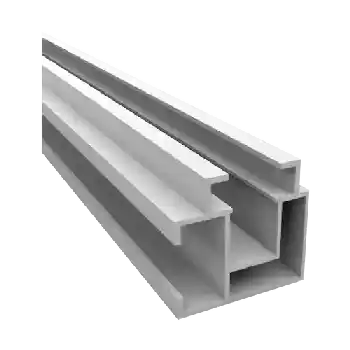
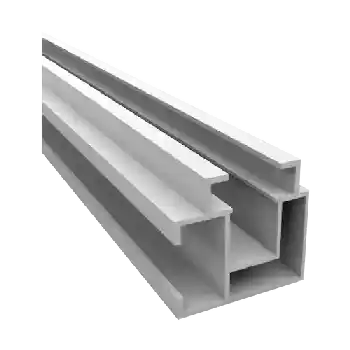
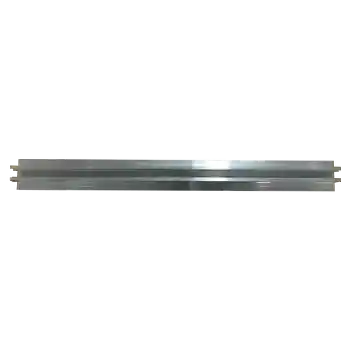
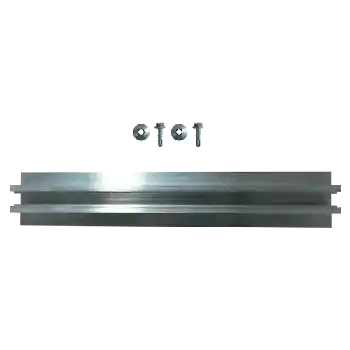
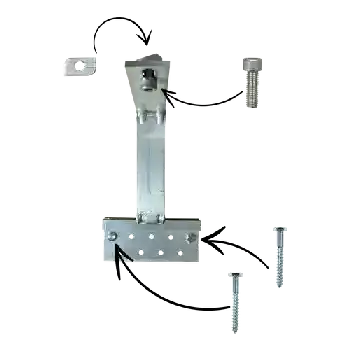
The mounting structure is the set of rails, hooks, clamps and bolts that fixes the solar panels to the roof or the ground. It may look like a detail, but it is the structure that lets the system withstand strong winds, rain and the weight of the modules for more than 25 years. Choosing the right structure for the roof type is essential for the safety, durability and performance of the whole installation.
What the mounting structure does
It has three jobs: hold the panels firmly, position them at the best tilt and orientation to capture the sun, and keep enough spacing for ventilation and drainage. A well-designed structure spreads wind loads over the roof, prevents leaks and protects both the modules and the building. It must be made of corrosion-resistant materials such as anodized aluminium and stainless steel.
Mounting structures by roof type
The structure changes with the installation surface:
- Fibre-cement (corrugated) roof: structural screws with sealing and rails over the corrugations. One of the most common in Brazil.
- Metal roof (trapezoidal or standing seam): clamps or specific rails fixed to the sheet, often without drilling.
- Ceramic-tile roof: hooks that pass under the tile and fasten to the rafter, preserving the look of the roof.
- Flat slab: triangular frames with adjustable tilt, anchored or ballasted.
- Ground (solar farm): robust structures driven or bolted into the ground, with the tilt optimized for the region.
How to choose the right structure
Before buying, consider:
- Roof type and material: defines the fixing model and accessories.
- Number and size of panels: determines rail length and the number of end and middle clamps.
- Material: aluminium rails and stainless-steel bolts resist corrosion for decades.
- Wind resistance: the structure must meet the design wind speed of the region (in Brazil, ABNT NBR 6123).
- Orientation and tilt: in the southern hemisphere, facing geographic north with a tilt close to the local latitude whenever possible.
The structure works together with the solar panels, the solar cables and the connectors that complete the DC side of the system.
Recommended mounting structure by roof type
| Roof | Typical fixing | Note |
|---|---|---|
| Fibre-cement | Structural screw + rail | Sealing required against leaks |
| Metal | Clamp / seam rail | Often without drilling |
| Ceramic tile | Hook under the tile | Preserves the roof's look |
| Flat slab / ground | Triangular frame with tilt | Adjustable angle for maximum yield |