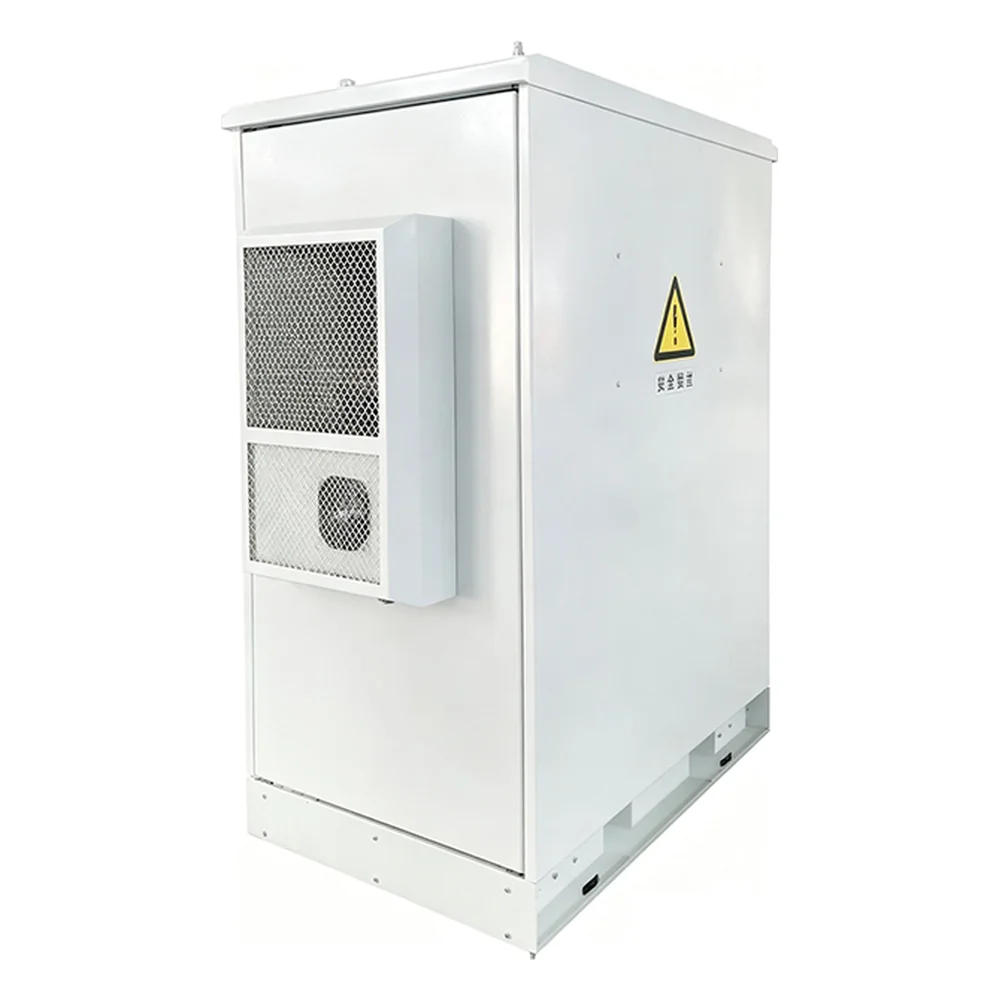
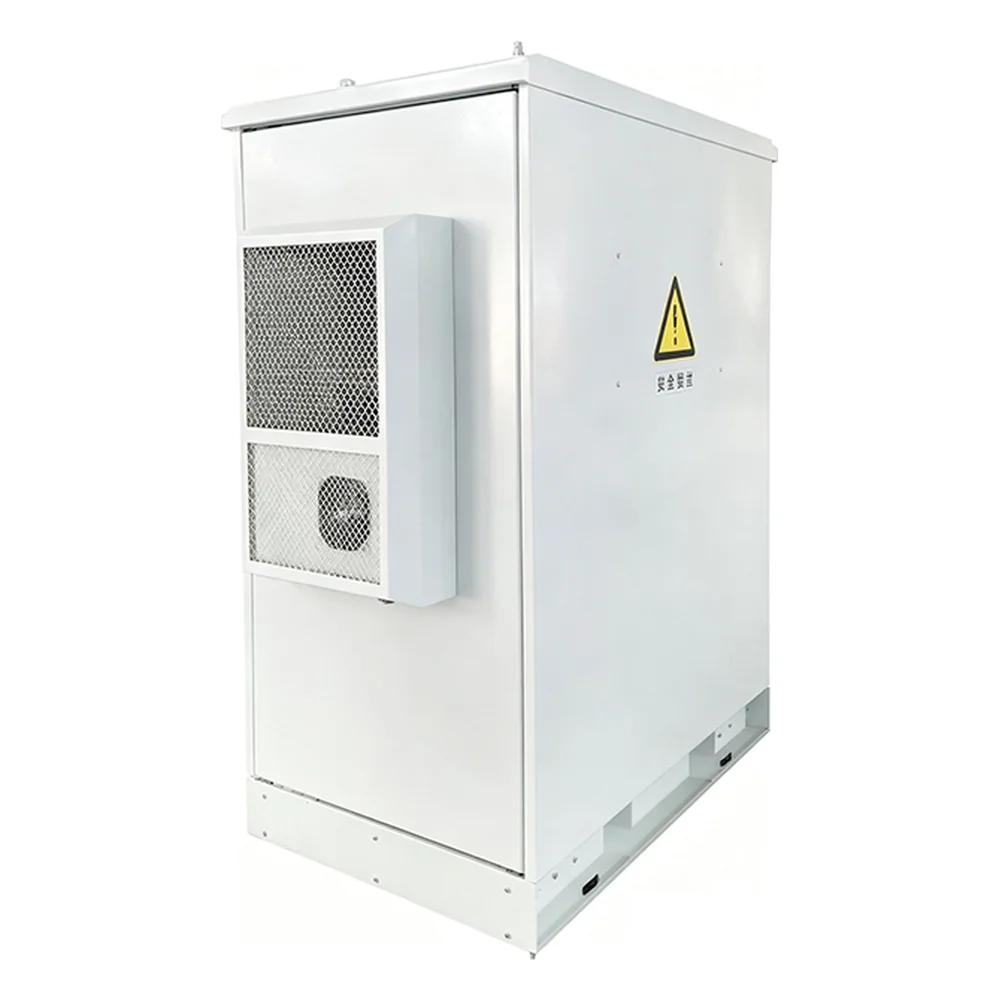
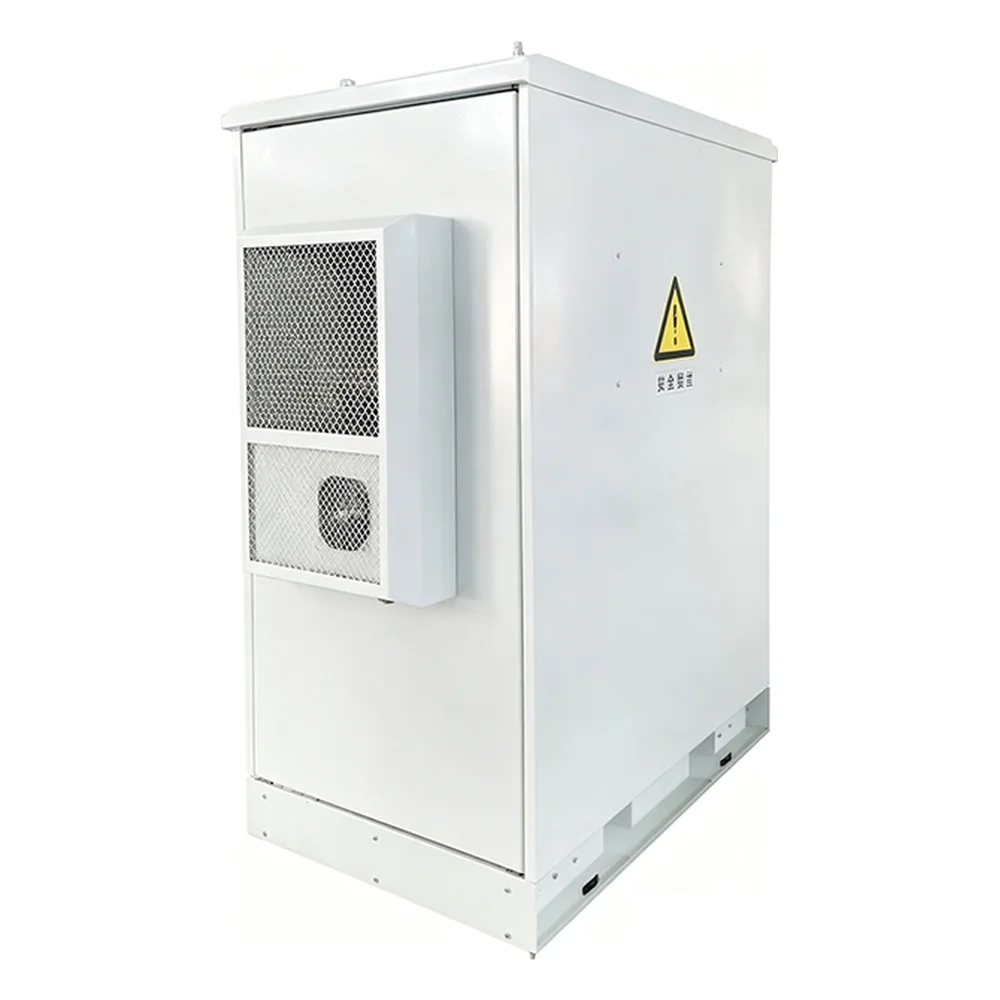
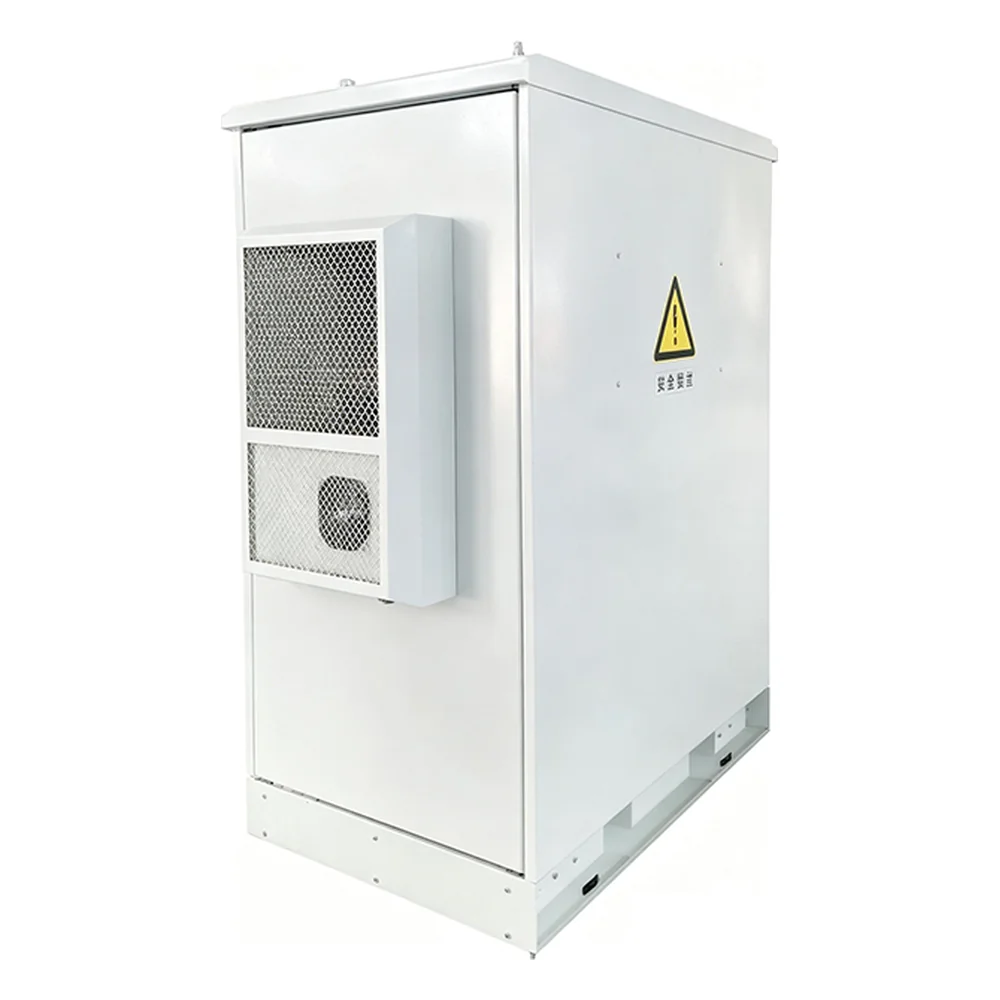
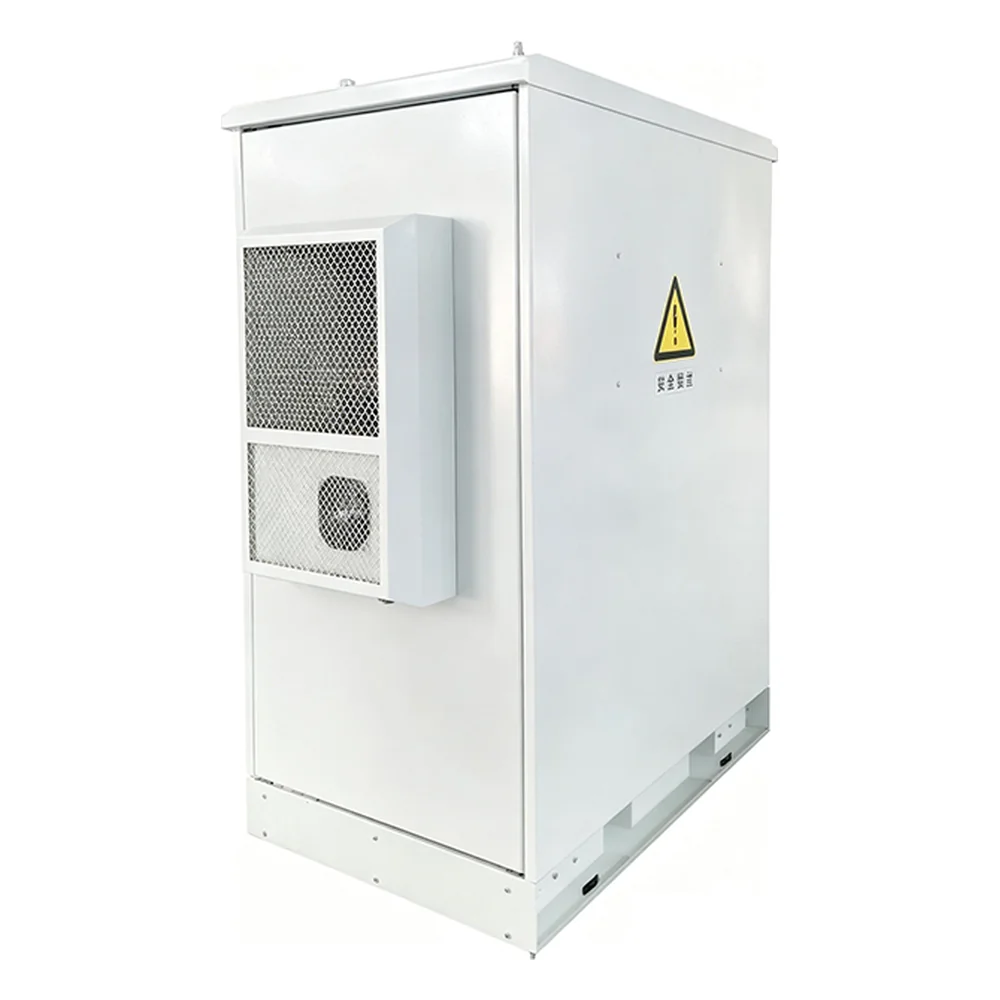
A solar battery stores the energy generated by the panels for use when the sun is not available — at night, on cloudy days or during power cuts. It is essential in off-grid systems and increasingly common in hybrid systems, which combine bill savings with autonomy and backup. Choosing the right battery means understanding capacity, chemistry, depth of discharge and cycle life.
What a solar battery is for
The battery works as an energy reservoir. During the day, surplus generation charges it; at night or without sun, that energy is consumed. In hybrid systems it also lets you use stored energy when the tariff is highest and provides automatic backup when the grid goes down.
Lithium vs lead-acid
The two most common chemistries in solar are:
- Lithium (LiFePO4): lighter, with a much longer life (thousands of cycles), usable depth of discharge of 90–100% and virtually no maintenance. Higher upfront cost, but a better cost per cycle.
- Lead-acid (stationary, AGM or gel): lower upfront cost, but shorter life, a lower recommended depth of discharge (around 50%) and more weight. Still used in budget off-grid systems.
In most modern projects the LiFePO4 battery is the preferred choice for its durability and efficiency.
How to size and choose a solar battery
Check:
- Capacity (kWh or Ah): how much energy it stores. It must cover consumption during the hours without generation plus the desired autonomy.
- Voltage (V): must match the hybrid or off-grid inverter.
- Depth of discharge (DoD): the share of capacity that can be used safely. The higher, the more usable energy.
- Cycle life: the number of charge and discharge cycles before capacity drops. Lithium usually exceeds 6,000 cycles.
- Compatibility: make sure the battery is approved for your inverter.
The battery depends on a hybrid or off-grid solar inverter and, in simple off-grid systems, on a charge controller to manage charging.
Lithium vs lead-acid battery
| Criterion | Lithium (LiFePO4) | Lead-acid |
|---|---|---|
| Lifetime | Very long (thousands of cycles) | Shorter |
| Depth of discharge | Up to 90–100% | ~50% |
| Weight and maintenance | Light, maintenance-free | Heavy, needs care |
| Upfront cost | Higher | Lower |