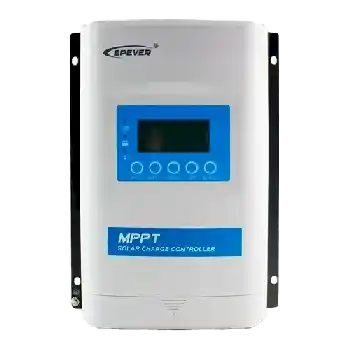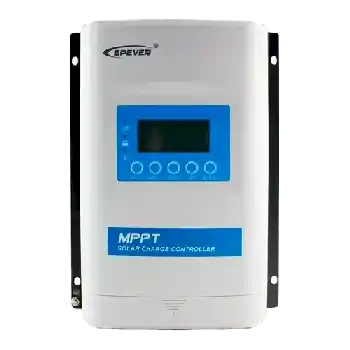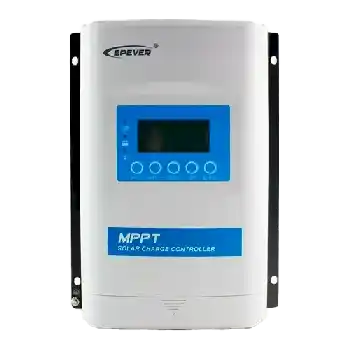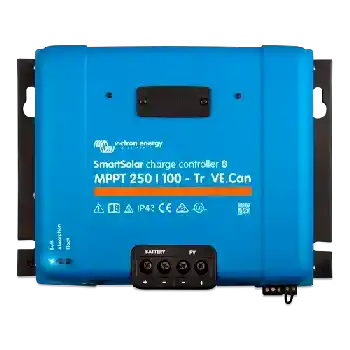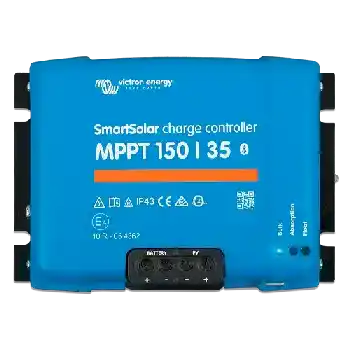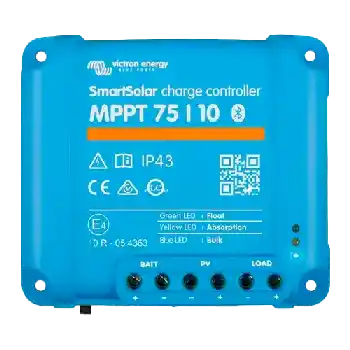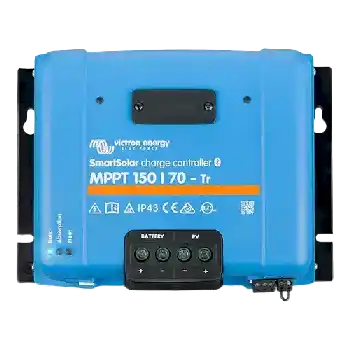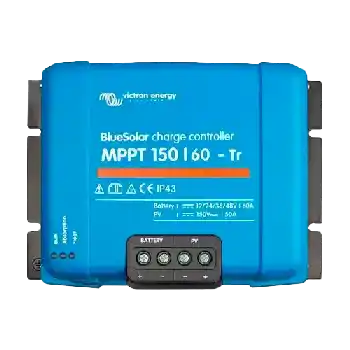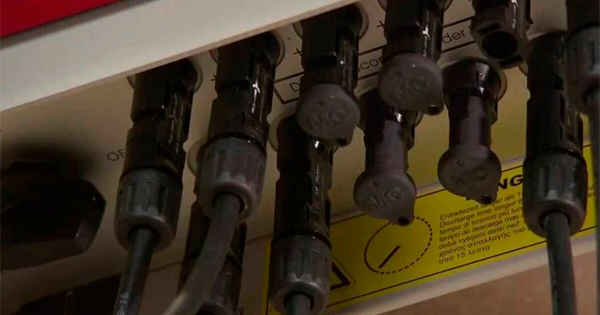
The charge controller protects the batteries in off-grid solar systems. It regulates the energy coming from the panels to charge the batteries safely, preventing overcharging and deep discharge — the two biggest enemies of battery life. Choosing between a PWM and an MPPT controller makes a big difference to efficiency and cost.
What a charge controller does
In an off-grid system, the energy generated by the panels has to be stored in batteries. The charge controller sits between the panels and the battery bank, controlling charging voltage and current. It prevents overcharging (which shortens battery life) and, in many models, also protects against deep discharge.
PWM vs MPPT: the difference
There are two main types:
- PWM (pulse-width modulation): simpler and cheaper. It connects the panel directly to the battery, which works well when the voltages are close but wastes part of the energy. Suited to small, low-cost systems.
- MPPT (maximum power point tracking): more advanced and efficient. It converts the panels' excess voltage into extra charging current, harvesting up to 30% more energy. Ideal for larger systems and when the panel voltage is well above the battery voltage.
How to size a charge controller
Check:
- System voltage: must match the battery bank (12 V, 24 V, 48 V).
- Maximum current (A): must handle the current of the panel array with margin.
- Maximum input voltage (Voc): the open-circuit voltage of the strings must not exceed the controller's limit.
- Supported battery type: lithium, gel, AGM or flooded lead-acid.
The controller works with the solar panels and the solar battery. Hybrid inverters with a built-in MPPT may not need a separate controller — see the solar inverter guide.
PWM vs MPPT charge controller
| Criterion | PWM | MPPT |
|---|---|---|
| Efficiency | Lower | Up to 30% higher |
| Cost | Cheaper | More expensive |
| Best for | Small systems | Medium and large systems |
| Use of excess voltage | Limited | Converts it into charge |